Introduction
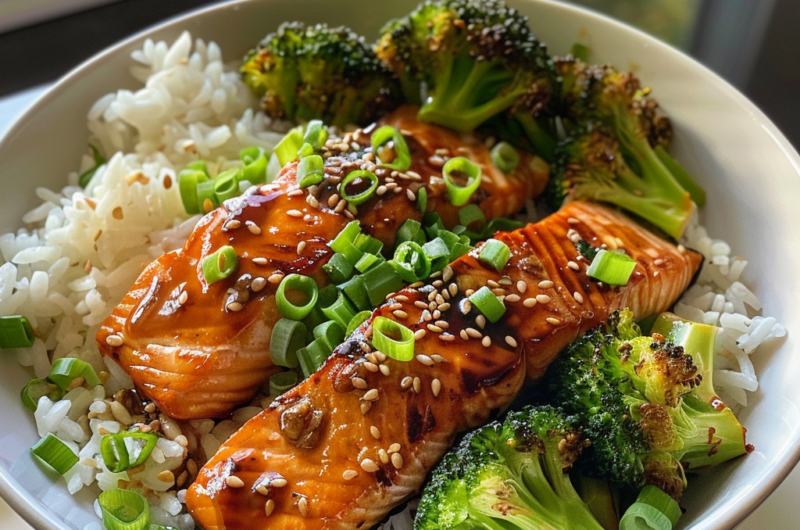
There’s something utterly delightful about the combination of baked salmon and the captivating umami of teriyaki sauce. These Baked Sesame Teriyaki Salmon Bowls are a harmonious blend of rich flavors and textures that make every bite exciting.
With the essential components of fresh salmon, toasty sesame seeds, and a luscious homemade teriyaki sauce, you’ll create a dish that not only promises vibrant flavors but also looks beautiful on your dinner table.
Ingredients
- 1 lb fresh salmon fillets
The star of the dish, salmon is rich in omega-3 fatty acids and has a buttery texture that pairs beautifully with the teriyaki glaze. - 1/4 cup soy sauce
This provides that quintessential savory depth, and the umami flavor is essential for a truly authentic teriyaki experience. - 2 tbsp honey
Honey adds a natural sweetness that balances the saltiness of the soy sauce, creating a rich, complex flavor profile. - 1 tbsp rice vinegar
Rice vinegar adds a subtle tang that cuts through the richness of the salmon and elevates the overall dish with brightness. - 1 tbsp sesame oil
This oil contributes a distinctive nutty aroma and flavor, enhancing both the salmon and the teriyaki sauce. - 1 tsp garlic powder
Garlic powder provides a convenient way to infuse warm, savory notes into the salmon without overpowering the other flavors. - 1 tsp ground ginger
Ginger offers a spicy warmth, making the teriyaki sauce feel more complex and engaging with each bite. - 2 tbsp sesame seeds
Toasted sesame seeds add a delightful crunch and a nutty flavor that enhances the entire dish, both visually and texturally. - 2 cups cooked rice (jasmine or brown)
Serving the salmon on a bed of rice helps soak up the flavorful teriyaki sauce, making each bite satisfying and delicious. - 1 cup steamed broccoli
Broccoli adds not only vibrant color but also a nice crunch that balances the soft salmon, rounding out the meal. - 1 green onion, sliced
Sliced green onions provide a fresh, mild kick, enhancing the dish’s overall presentation and flavor.
Directions & Preparation
Step 1: Preheat your oven to 400°F (200°C).
Preheating your oven establishes an ideal cooking environment for the salmon, allowing it to bake evenly while preserving its natural moisture. You’ll want the oven nice and hot, so the salmon can sear slightly and develop a caramelized crust.
Step 2: In a small bowl, whisk together soy sauce, honey, rice vinegar, sesame oil, garlic powder, and ginger.
This magical mixture is the teriyaki sauce that takes center stage in your dish. As you whisk, watch the honey dissolve and blend seamlessly with the other ingredients—this fragrant mixture is key to infusing the salmon with delicious flavor.
Step 3: Place the salmon fillets in a baking dish and pour the teriyaki sauce over them.
Arrange the salmon snugly in the dish, allowing the sauce to coat each piece generously. The aromas will start to mingle, and as it bakes, the salmon will soak up the umami-packed glaze, leading to an intoxicating aroma wafting through your kitchen.
Step 4: Sprinkle sesame seeds evenly over the salmon.
Gently scatter the sesame seeds over the salmon fillets. This adds a delightful crunch and visual appeal as they toast slightly while baking, transforming the dish into something truly special.
Step 5: Bake the salmon for 20-25 minutes, or until it flakes easily with a fork.
As the salmon bakes, keep an eye on the edges—when they begin to crisp and a lovely glaze develops, you're in business. The fish will turn from translucent to a stunningly appetizing pink, indicating it's ready.
Step 6: While the salmon is baking, prepare your rice according to package instructions.
Allowing your rice to cook while the salmon bakes ensures that everything comes together seamlessly. The grains will be fluffy and perfect for soaking up all that delectable teriyaki sauce.
Step 7: Steam the broccoli until it’s vibrant green and just tender.
This quick steaming step is essential; you want the broccoli to retain its bright color and slight crunch. Not only does it look appealing, but it also adds nutritional balance to your meal.
Step 8: To serve, divide the rice among bowls, top with salmon fillets, and garnish with broccoli and sliced green onions.
As you assemble your bowls, you'll see the colors of the salmon, broccoli, and white rice create a visual feast. The aromatic, rich teriyaki sauce drizzled on top ties it all together beautifully, inviting everyone to dig in.

The Magic of Teriyaki Sauce
Homemade teriyaki sauce is a game changer. Unlike store-bought varieties, this version is free from artificial preservatives and refined sugars. The balance of soy sauce, honey, and vinegar creates a vibrant flavor profile, elevating your salmon from ordinary to extraordinary. The process not only infuses the fish with flavor but also forms a beautiful glaze as it bakes, making every bite an experience.
Why Sesame Seeds Are Essential
Toasted sesame seeds do more than just serve as a garnish; they add a delightful crunch that contrasts with the tender salmon. Their nutty flavor brings out the richness in the teriyaki sauce while enhancing the dish’s visual appeal. By taking just a moment to toast your sesame seeds, you can elevate this dish into a gourmet experience that feels special for any dinner occasion.
Perfect Pairings: Completing Your Bowl
Baked Sesame Teriyaki Salmon pairs beautifully with a variety of sides. Whether it’s creamy avocado slices, pickled ginger for a tangy kick, or even a sprinkling of sesame oil, these additional elements can create layers of flavor and texture in your meal. Don’t hesitate to experiment with incorporating different seasonal veggies, as this dish is incredibly versatile and supports a rainbow of sides.
FAQs
What if my salmon is overcooked?
If your salmon ends up overcooked, it can become dry. To combat this in the future, use a digital meat thermometer—salmon is perfectly cooked at an internal temperature of 145°F (63°C).
Can I use other fish instead of salmon?
Absolutely! This teriyaki sauce works wonderfully with other fish like trout or cod. Adjust cooking times as necessary since different fish have varying thickness and texture.
Why does my teriyaki sauce look watery?
If your sauce appears runny, it may not have had enough time to thicken during baking. Ensure to let it bubble and reduce slightly for a few minutes on the stovetop before applying it to the salmon.
Can I add different vegetables to my salmon bowl?
Definitely! Feel free to incorporate vegetables like bell peppers, snap peas or zucchini. Just remember to adjust cooking times accordingly so everything is perfectly tender.
Is it necessary to use rice vinegar?
While rice vinegar adds distinct flavor, you can substitute it with apple cider vinegar. The taste will differ slightly but will still contribute to the sauce's balance.
What can I do if I have leftover teriyaki sauce?
Leftover teriyaki sauce can be stored in the refrigerator for up to a week. Use it as a marinade for chicken or drizzle over steamed vegetables for added flavor!
Can I prepare this recipe ahead of time?
Yes, you can marinate the salmon in the teriyaki sauce for a few hours (or even overnight) to intensify flavors. Just remember to take it out of the fridge about 30 minutes before baking.
How do I make the dish spicier?
For an added kick, consider mixing in a teaspoon of sriracha or red pepper flakes into your teriyaki sauce. This will bring in a subtle heat that complements the sweetness.
Conclusion
These Baked Sesame Teriyaki Salmon Bowls are perfect for a quick, satisfying dinner that feels indulgent yet healthy. Their beautiful presentation and incredible flavors make them ideal for impressing family or friends without stressing over complicated techniques.
So roll up your sleeves and make this dish today. Enjoy each delightful bite while savoring the fruits of your labor—this recipe is bound to become a staple in your weeknight rotation!
Recipe Card
Notes
Additional serving suggestions: pair with a crisp salad, garlic bread, or roasted seasonal vegetables for balance.
For make-ahead, prep components separately and assemble just before heating to preserve texture.
Taste and adjust with acid (lemon/vinegar) and salt right at the end to wake up flavors.