Introduction
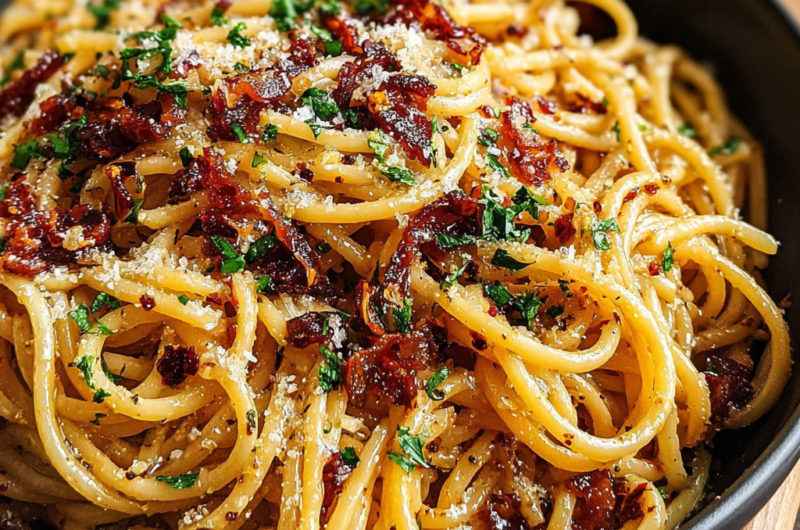
Pasta is a canvas that invites creativity, and caramelized onion pasta with chili oil is a deliciously indulgent expression of that freedom. The sweet, rich flavors of slowly cooked onions blend beautifully with a gentle heat from chili oil, creating a dish that’s both comforting and exciting.
This recipe elevates standard pasta with simple yet impactful ingredients, making it perfect for weeknight dinners or an intimate meal. The allure of caramelized onions paired with just the right amount of spice will delight your taste buds and satisfy your pasta cravings.
Ingredients
- 1 pound pasta (spaghetti or fettuccine)
The base of this dish provides the necessary texture and absorbs the flavors of the sauce. Choose a type that holds the sauce well; spaghetti or fettuccine work beautifully. - 2 large onions, thinly sliced
Onions add sweetness and depth to the dish as they caramelize. The slow cooking process transforms their sharpness into rich, complex flavors. - 1/4 cup olive oil
This oil is key for sautéing the onions and giving them a golden color while also enhancing the overall flavor of the pasta. - 1 teaspoon salt
Salt not only seasons the dish but also helps to draw moisture out of the onions during caramelization, which intensifies their sweetness. - 1 tablespoon sugar
Adding sugar accelerates the caramelization process and enhances the natural sweetness of the onions, leading to a deeper flavor. - 1/2 teaspoon chili flakes
Chili flakes add a spicy kick that contrasts the sweetness of the onions. Adjust the quantity based on your heat preference. - 1/4 cup chili oil
This oil adds an additional layer of flavor and heat to the dish, bringing everything together and adding a beautiful sheen. - 1/2 cup grated Parmesan cheese
Parmesan enriches the pasta with its nutty and salty flavor, rounding out the dish's taste profile. It also adds creaminess without needing heavy cream. - Fresh parsley, chopped (for garnish)
Parsley adds a fresh herbal note to the dish, balancing the richness and providing a splash of color that enhances visual appeal.
Directions & Preparation
Step 1: Cook the pasta according to package instructions until al dente.
Cooking the pasta to al dente is crucial; it ensures the pasta retains a bite and does not turn mushy. This texture complements the creamy richness of the sauce. Make sure to reserve some pasta water before draining, as it can help adjust the sauce's consistency.
Step 2: In a large skillet, heat olive oil over medium heat and add sliced onions and salt.
Heating the oil properly sets the stage for even cooking of the onions. Adding salt at this stage helps draw out moisture, which will accelerate the caramelization process. Stir occasionally to prevent sticking or burning.
Step 3: Sprinkle the sugar over the onions and continue cooking, stirring frequently, until they turn golden brown, about 20-25 minutes.
The sugar caramelizes during this stage, contributing to the sweet and savory flavor profile of the dish. Cooking slowly allows the natural sugars in the onions to develop and enhance their flavor. Be patient; the best caramelization takes time.
Step 4: Add chili flakes to the skillet and stir for about 1 minute to infuse the oil with flavor.
This step allows the chili flakes to release their aromatic oils into the dish. It’s essential not to overcook them, as they can become bitter if browned too much. The addition of chili flakes at this point enhances the depth of flavor.
Step 5: Add the cooked pasta to the skillet along with 1/4 cup of reserved pasta water, tossing to coat.
This mixing phase is when the magic really happens. The starchy pasta water helps the sauce adhere to the pasta. Tossing ensures even distribution of the caramelized onions and chili oil, creating a harmonious blend of flavors.
Step 6: Stir in the Parmesan cheese until melted and well incorporated.
Incorporating cheese at this stage adds creaminess and richness to the dish. The heat from the pasta melts the cheese which binds the sauce together without making it too heavy. Feel free to adjust the amount based on personal preference.
Step 7: Drizzle with additional chili oil, garnish with parsley, and serve immediately.
Finishing your dish with a light drizzle of chili oil heightens the flavors and adds a lovely sheen. Fresh parsley not only adds a pop of color but also a fresh flavor that cuts through the richness, creating a balanced plate ready to be enjoyed.

The Art of Caramelization
Caramelizing onions is a delicate process that transforms the sharp, pungent flavor of raw onions into something sweet and irresistible. As they cook, the natural sugars begin to break down and caramelize, creating complex flavors and a golden-brown color. This slow cooking requires patience, but the resulting depth of flavor will elevate your pasta dish to gourmet status. Avoid rushing—hasty cooking can result in bitter, unevenly cooked onions.
Chili Oil: A Flavor Booster
Chili oil is more than just a spicy condiment; it’s an essential ingredient that enhances the overall dish and ties together its various flavors. Its heat can be adjusted according to your personal preference, making it versatile for many dishes. Using good quality chili oil adds depth, showcasing both the spice and oil's aromatic qualities. A well-chosen chili oil can introduce smoky notes, ensuring your caramelized onion pasta is a memorable dish.
Perfect Pasta Pairings
While caramelized onion pasta with chili oil stands well on its own, it pairs beautifully with a variety of sides and accompaniments. A crisp green salad provides a refreshing contrast to the rich pasta, while crusty bread can help scoop up the delicious remnants on your plate. If you’re looking to elevate the meal further, consider roasting seasonal vegetables or serving a light, citrusy dessert to round out the dining experience.
FAQs
What can I do if my sauce turns out too thick?
If your pasta sauce is too thick, gradually add reserved pasta water until you reach the desired consistency. The starchy water helps integrate the ingredients without losing flavor.
What if my pasta tastes bland after mixing?
Bland pasta can often be perked up with additional salt, pepper, or a squeeze of lemon juice. Always taste before serving and adjust seasonings as needed.
Can I use red onions instead of yellow for this recipe?
Absolutely! Red onions will impart a slightly spicier flavor and a vibrant color, adding a unique twist to the dish.
How can I adjust the spice level in this recipe?
To increase the heat, you can add more chili flakes, or try incorporating fresh chilies. For less heat, reduce the amount of chili oil and flakes.
What other cheeses can I use instead of Parmesan?
Pecorino Romano is a great alternative with a saltier flavor, or you could try a creamy goat cheese for a different texture.
What to do if the onions burn while caramelizing?
If your onions burn, it’s best to start over to ensure a superb flavor. Burnt bits can overpower the dish. Cooking them over a lower heat and stirring frequently can help prevent this.
Conclusion
Caramelized onion pasta with chili oil is a sublime combination of sweetness and spice that will transform your pasta nights into something special. Its simplicity and depth of flavor highlight the beauty of seemingly humble ingredients when combined thoughtfully.
So gather your ingredients, take your time with the caramelization, and enjoy the rewarding experience of crafting a delicious meal that brings warmth to any table.
Recipe Card
Notes
Additional serving suggestions: pair with a crisp salad, garlic bread, or roasted seasonal vegetables for balance.
For make-ahead, prep components separately and assemble just before heating to preserve texture.
Taste and adjust with acid (lemon/vinegar) and salt right at the end to wake up flavors.


